Crushed Limestone vs. River Rock vs. Recycled Concrete: Which Gravel Survives Heavy Rain Seasons?
May 27, 2026
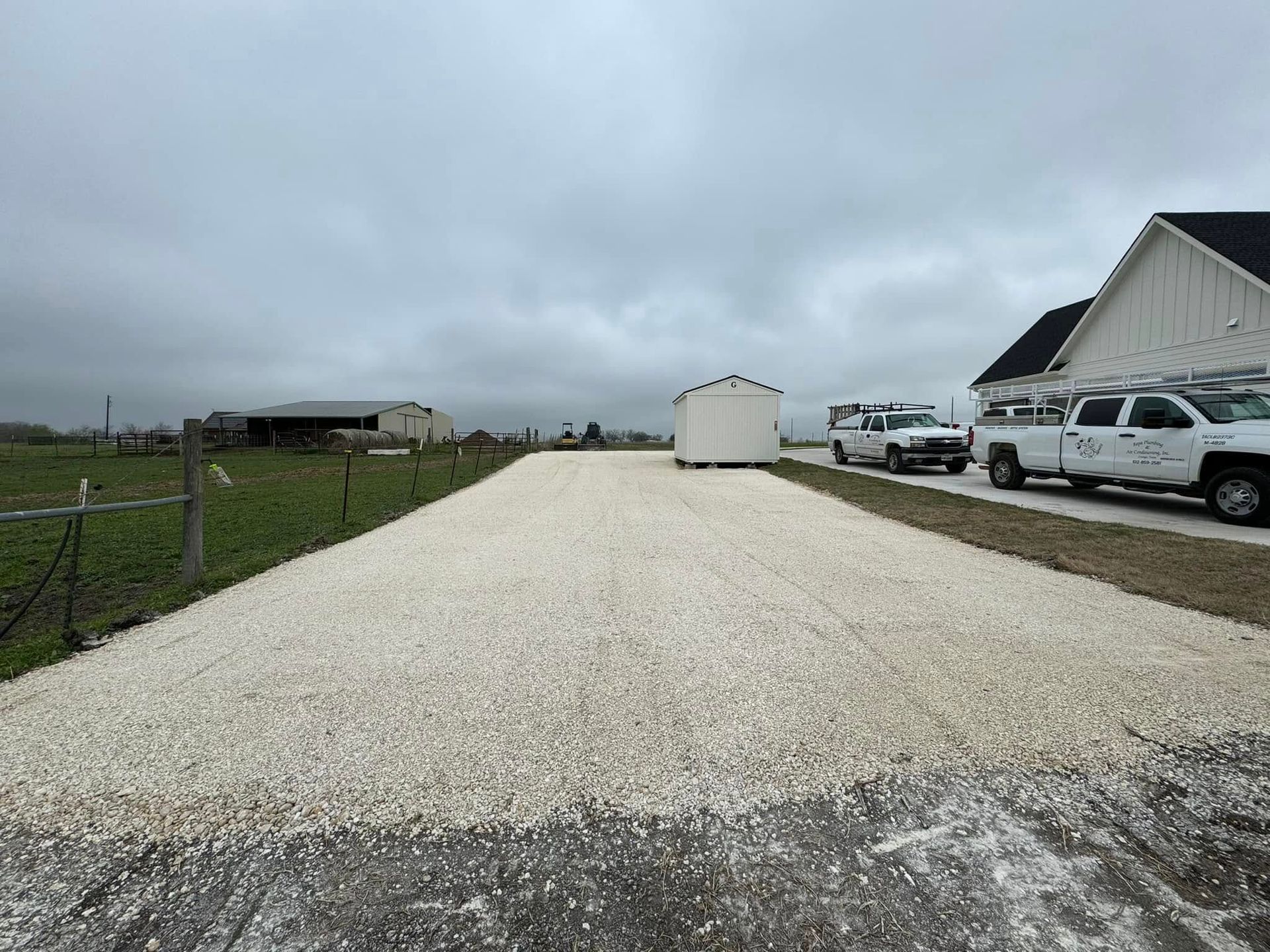
Heavy rainfall seasons place significant stress on driveways, drainage systems, and landscaped surfaces. The performance of gravel materials under continuous water flow is not only a matter of appearance but also long-term structural stability. Crushed limestone, river rock, and recycled concrete are among the most commonly used aggregates, yet each responds differently when exposed to saturation, erosion, and soil displacement. Understanding how these materials behave during extended wet conditions helps in making informed decisions for construction, grading, and outdoor surface design. These conditions also reveal weaknesses in poorly prepared bases and highlight the importance of proper installation techniques. Over time, water movement can expose design flaws that are not visible during dry conditions. This makes material selection a critical part of long-term site planning in rain-prone environments.
In regions where rainfall is intense or unpredictable, selecting the right gravel can reduce maintenance costs and prevent early surface failure. Poor material choice often leads to rutting, washouts, and uneven settlement, which compromise both function and safety. By comparing these three gravel types under real-world conditions, we gain clarity on their durability, drainage capacity, and resistance to movement. This analysis focuses on how each material performs when subjected to heavy rain cycles, offering practical insights for residential driveways, access roads, and site preparation projects. The goal is to identify which gravel provides the most stable and reliable foundation when weather conditions become demanding and continuous water exposure tests structural integrity over time. Proper evaluation also helps in reducing long-term repair frequency and improves surface longevity under seasonal stress.
Understanding Gravel Behavior in Heavy Rain Conditions
Water Flow, Erosion, and Surface Stability
Gravel performance during heavy rain is primarily determined by how well it manages water flow. When rainwater moves across a surface, it creates pressure that can shift loose particles. Materials with angular shapes tend to lock together, while rounded stones often allow easier movement. This difference directly impacts erosion resistance and long-term stability over time in outdoor conditions.
Drainage Efficiency and Soil Interaction
Good drainage prevents water from pooling and weakening the base layer. Gravel that allows rapid water passage reduces hydrostatic pressure and protects underlying soil. However, if particles are too fine or compacted, water may stagnate and lead to surface deformation. We often observe that balance between permeability and stability is critical in rain-prone environments with varying soil types.
Compaction and Load Distribution
Under wet conditions, gravel must maintain its structural integrity while supporting vehicle or foot traffic. Proper compaction improves load distribution and reduces shifting. Without it, even high-quality aggregates can develop ruts and uneven surfaces after repeated rainfall, especially in high-traffic or sloped areas over time.
Crushed Limestone: Strength and Limitations in Wet Seasons
Angular Structure and Locking Ability
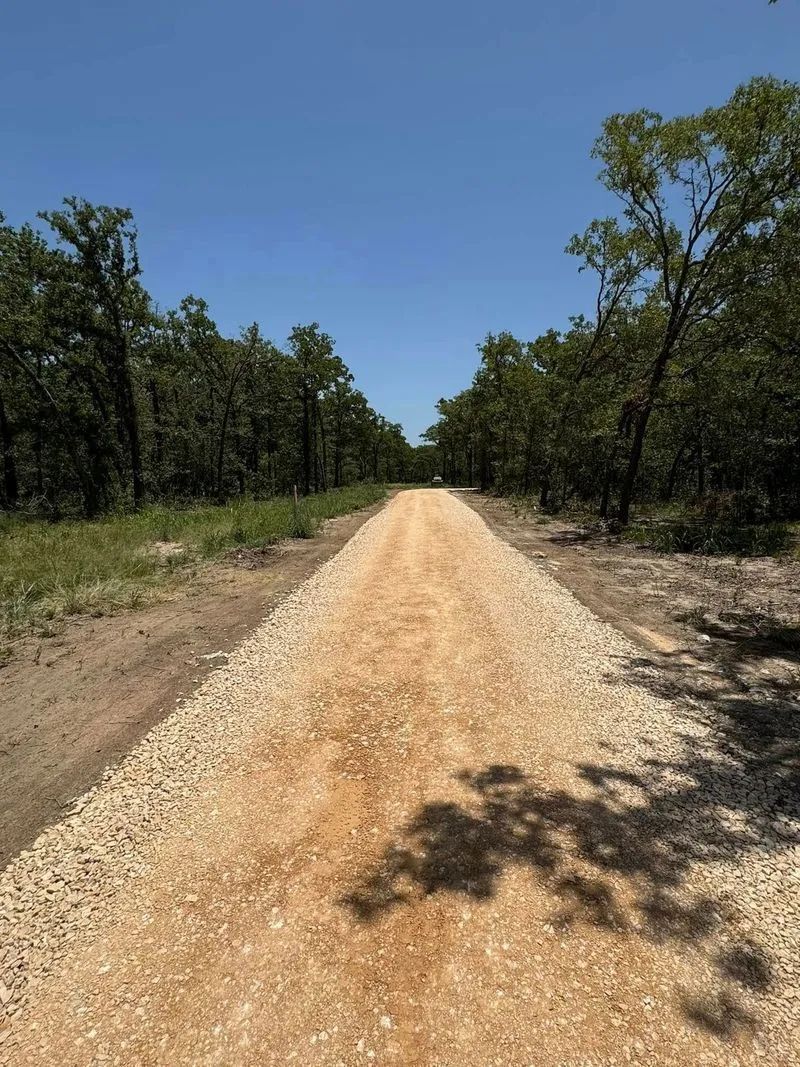
Crushed limestone is known for its sharp, angular edges. These edges interlock tightly when compacted, creating a firm surface that resists movement. During moderate rainfall, this structure performs well by holding its shape and minimizing displacement across frequently used access paths and driveways.
Performance in Saturated Conditions
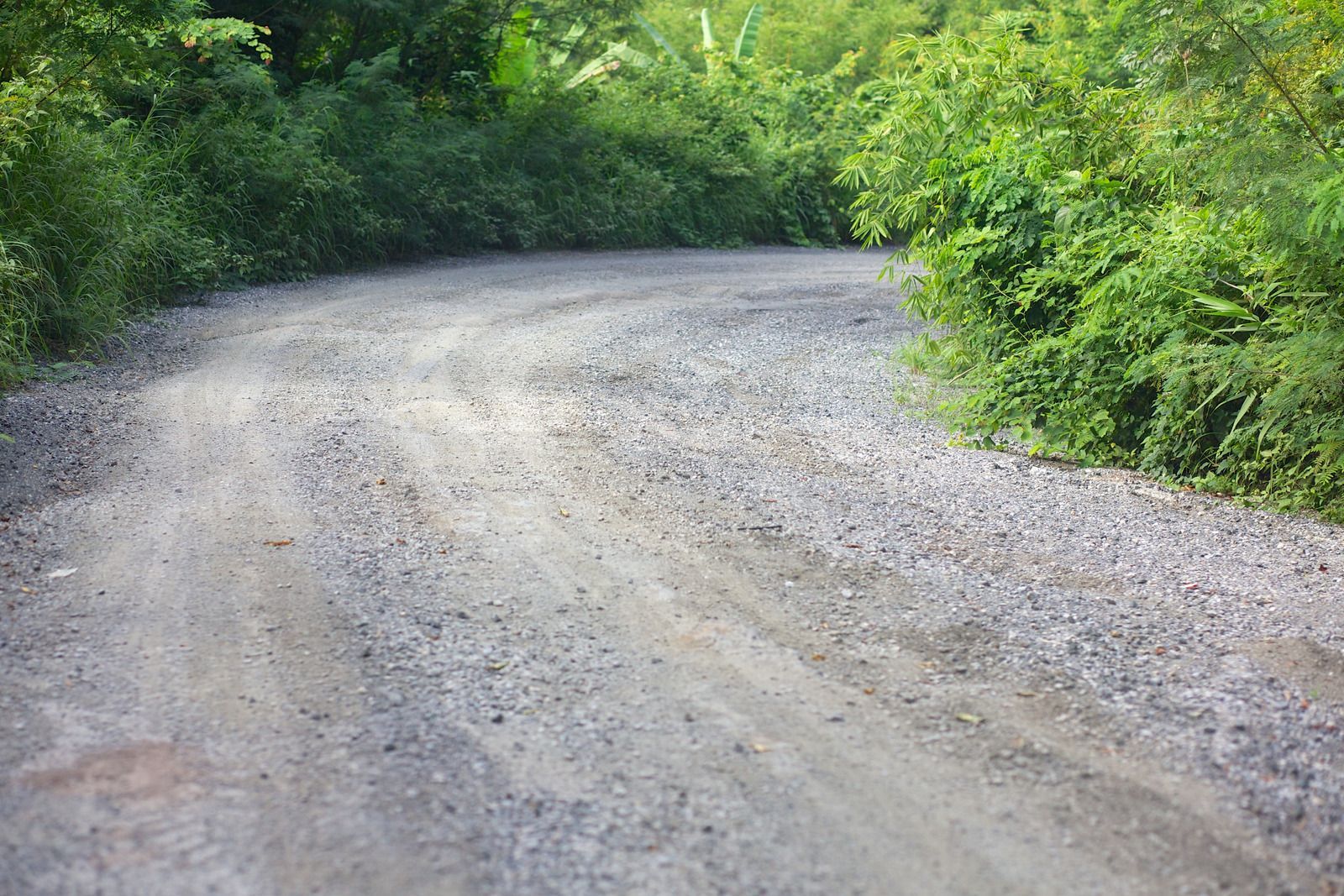
In heavy rain, crushed limestone can begin to break down due to prolonged water exposure. Fine particles may wash away, especially if the base is not properly graded. This can lead to surface dusting or the formation of soft patches in high-traffic zones, reducing overall surface consistency over time.
Maintenance Requirements
To maintain stability, periodic regrading is often necessary. When we reinforce the base layer and ensure proper slope management, limestone performs better in wet conditions. However, without maintenance, erosion channels may develop over time, especially during extended rainy seasons with continuous runoff pressure.
Practical Use Cases
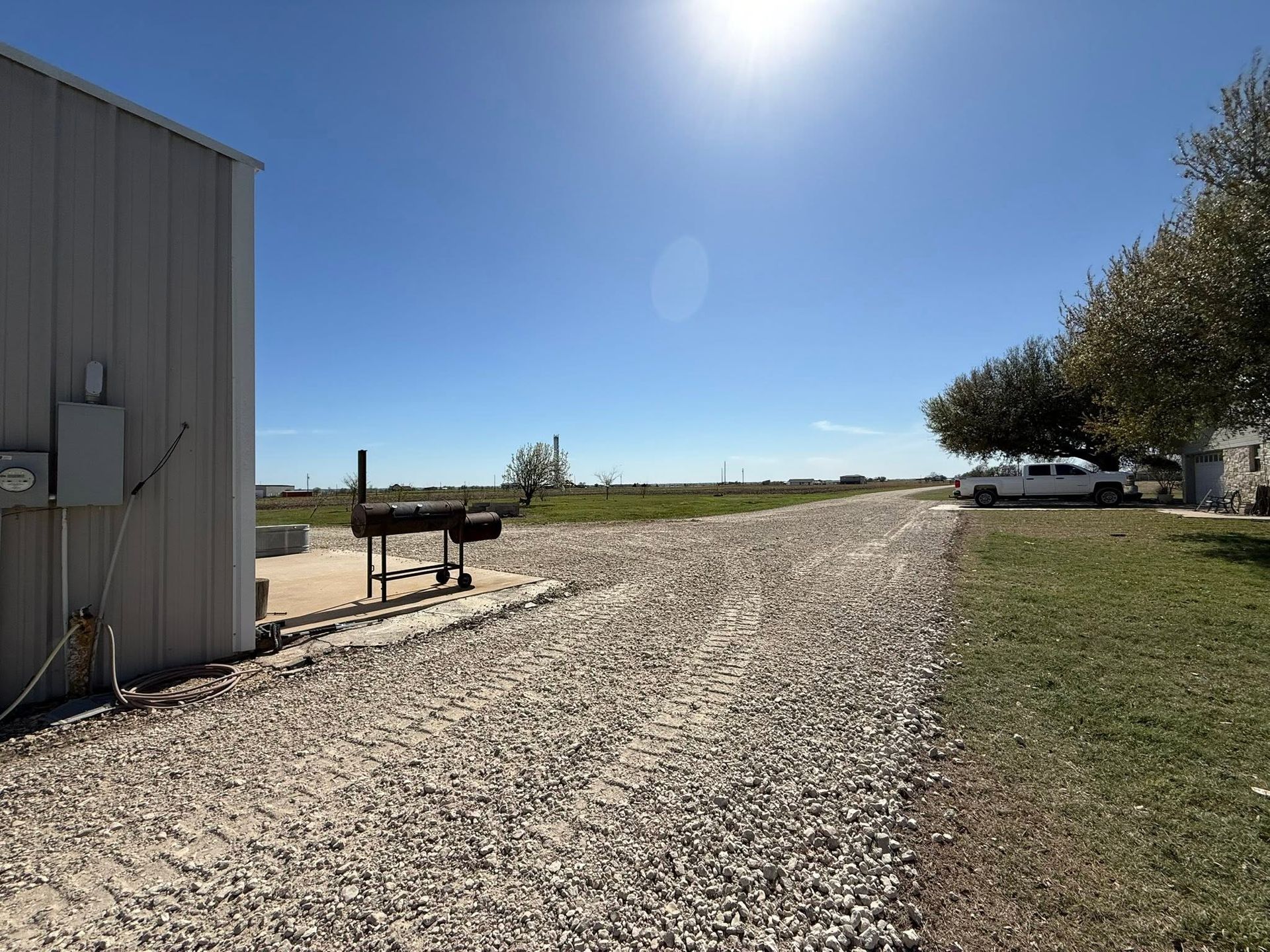
Crushed limestone is best suited for driveways and areas where strong compaction is prioritized over aesthetics. It works well in controlled drainage environments where water runoff is properly managed, making it suitable for residential and light commercial access surfaces.
River Rock: Natural Drainage with Movement Challenges
Rounded Shape and Water Flow Advantage
Erosion Resistance and Surface Washout
Recycled Concrete: Sustainable Strength Under Pressure
Angular Recycled Aggregates and Stability
Recycled concrete offers angular fragments similar to crushed stone but with varied textures. This irregular structure improves interlocking, creating a stable surface capable of handling heavy rainfall and load stress across driveways, access roads, and work zones under varied environmental and load stress conditions.
Drainage and Absorption Characteristics
The porous nature of recycled concrete allows efficient water infiltration. Instead of allowing runoff to accumulate, water passes through the material and disperses into the ground. This reduces surface erosion and limits pooling even during intense rainfall events across diverse soil and site conditions.
Long-Term Durability in Rain Conditions
When properly processed, recycled concrete maintains structural integrity even after repeated wet cycles. Some fine dust may be present initially, but it settles after compaction and initial rainfall exposure. Over time, it forms a firm, stable base capable of handling seasonal weather changes reliably, ensuring long-term performance in all climates.
Environmental and Functional Benefits
Using recycled concrete supports sustainable construction practices by reducing landfill waste. It also provides a cost-effective alternative without compromising performance in heavy rain environments, making it a practical choice for both residential and commercial projects, supporting long-term sustainable infrastructure development goals.
Comparative Performance: Which Gravel Handles Heavy Rain Best?
Stability Under Continuous Rainfall
Crushed limestone provides strong initial stability but may degrade over time. River rock resists water flow but lacks structural grip. Recycled concrete balances both strength and drainage, offering consistent performance under sustained rainfall in demanding outdoor environments, especially under prolonged seasonal rainfall exposure.
Resistance to Erosion and Movement
River rock is the most vulnerable to movement, especially on slopes. Crushed limestone resists moderate erosion but requires maintenance. Recycled concrete shows the highest resistance due to angular locking and compactable structure, making it more dependable under repeated rainfall stress in sloped and high-flow runoff conditions.
Drainage and Water Management
River rock excels in drainage but sacrifices stability. Crushed limestone offers moderate drainage with compaction limits. Recycled concrete delivers balanced water flow while maintaining a solid surface, making it suitable for heavy rain regions and long-term structural applications supporting efficient stormwater control and systems management.
Best Overall Choice for Rain-Prone Areas
For environments experiencing frequent or intense rainfall, recycled concrete provides the most reliable performance. It combines structural strength, permeability, and long-term durability without excessive maintenance demands, making it a preferred option for stable outdoor surfaces across multiple climate and terrain conditions.
Reliable Driveway And Site Preparation For Heavy Rain Conditions
Selecting the right gravel for heavy rain conditions directly influences surface longevity, drainage performance, and maintenance requirements. Crushed limestone delivers strong compaction but may require ongoing upkeep during prolonged wet seasons. River rock provides excellent drainage yet lacks the stability needed for high-load or sloped areas. Recycled concrete stands out by balancing strength and permeability, making it a dependable option for rain-heavy environments where consistent performance is essential. Each material serves a specific purpose, but environmental conditions ultimately determine the most suitable choice. Careful evaluation of rainfall intensity, traffic load, and site grading ensures better long-term outcomes and reduced surface failure. Proper installation techniques also play a key role in maximizing material performance over time.
Huber Earthworks in Thorndale, Texas, brings 8 years of experience in excavation, driveway construction, and grading solutions designed to handle challenging soil and weather conditions. With a strong focus on practical site preparation, we understand how different aggregate materials behave under real-world stress. Our approach emphasizes proper base design, precise grading, and drainage control to ensure surfaces remain stable through heavy rainfall cycles. Over the years, we have worked on a wide range of residential and commercial projects where durability and water management were critical factors. Every project is approached with attention to ground conditions, material selection, and long-term performance goals. This ensures that each surface is built to withstand seasonal changes and heavy usage without premature failure.
We prioritize building surfaces that hold up under pressure while reducing maintenance needs over time. Our experience in handling varied terrain conditions allows us to recommend solutions that align with both functional requirements and environmental challenges, ensuring dependable results for every project we undertake. By combining technical expertise with on-site assessment, we create long-lasting results that support both safety and efficiency.